Memory Care Home vs. Assisted Living: Which Is Better for Your Needs?
@devinfeoo442
Business Name: BeeHive Homes of Clovis
Address: 2305 N Norris St, Clovis, NM 88101
Phone: (505) 591-7025
BeeHive Homes of Clovis
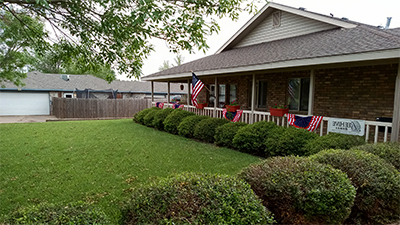
Beehive Homes of Clovis assisted living care is ideal for those who value their independence but require help with some of the activities of daily living. Residents enjoy 24-hour support, private bedrooms with baths, medication monitoring, home-cooked meals, housekeeping and laundry services, social activities and outings, and daily physical and mental exercise opportunities. Beehive Homes memory care services accommodates the growing number of seniors affected by memory loss and dementia. Beehive Homes offers respite (short-term) care for your loved one should the need arise. Whether help is needed after a surgery or illness, for vacation coverage, or just a break from the routine, respite care provides you peace of mind for any length of stay.
2305 N Norris St, Clovis, NM 88101
Business Hours
Choosing between memory care and assisted living is rarely an easy documents choice. It generally arrives during a stretch of worry, repeat conversations, missed out on medicines, wandering at odd hours, or a minute when a loved one no longer seems safe alone. Family members frequently start by looking for "memory care near me" or "senior living near me," yet the real concern is much more personal than a search term. It is not just where your loved one can live. It is where they can remain safe, be comprehended, and still have sufficient freedom to seem like themselves.
Both memory care and assisted elder care living loss under the umbrella of senior care, and both can be outstanding alternatives. The distinction hinges on the sort of support a person requires daily. Assisted living works well for many older grownups that want aid with meals, drug management, house cleaning, and a bit of personal care, however still have a fair amount of self-reliance. Memory care is built for individuals living with Alzheimer's illness, dementia, or other cognitive problems that influence judgment, positioning, safety, and communication. That difference appears simple theoretically. In reality, it frequently takes a cautious check out actions, wellness, family routines, and how much guidance is genuinely needed.
What assisted living normally provides
Assisted living is developed for older grownups that can no more manage every part of life conveniently on their own, yet that do not require the intensive guidance discovered in a nursing facility or a specialized memory care system. Residents typically have private or semi-private homes, shared eating areas, social activities, transportation, and support with day-to-day jobs. That assistance may consist of aid bathing, clothing, pointers for medication, or organizing appointments.
For many individuals, assisted living is the appropriate balance. A resident may still understand how to browse the structure, choose when to join a physical fitness class, or make a decision to have lunch with pals. The environment typically feels even more like a residential neighborhood than a clinical setting. That matters more than families in some cases expect. People do much better when they can protect a sense of control, also in small ways such as selecting their attire, deciding whether to go to bingo, or oversleeping a preferred chair by the window.
Assisted living can be a strong suitable for somebody who is decreasing physically, yet still has great short-term memory, can recognize regimens, and can clear up decisions most days. A 78-year-old with joint inflammation who needs aid obtaining clothed and keeping in mind morning tablets may thrive there. So may a widowed man that is lonely, has difficulty cooking, and would take advantage of social framework yet still manages his finances and recognizes where he is.
What memory care adds that assisted living generally does not
Memory care is a customized form of elder care constructed around cognitive loss. The differences turn up in the environment, staffing, daily routines, and training. Hallways are commonly less complicated to browse. Doors might be secured to avoid dangerous straying. Team are educated to take care of complication, sundowning, stress and anxiety, and habits adjustments with persistence and structure. Activities have a tendency to be less complex, extra recurring, and extra sensory-based, due to the fact that people with dementia often respond much better to acquainted rhythms than to busy schedules.
A memory care area is not simply an assisted living area with extra supervision. It is arranged around the truths of memory loss. That suggests even more cueing, more redirection, even more observation, and a steadier daily rate. Meals may be offered at regular times. Citizens might need assistance starting tasks that made use of to feel automatic, like brushing teeth or changing clothing. A staff member might carefully assist a person to the dining room as opposed to expecting them to bear in mind the course on their own.
Families commonly see the distinction promptly when they tour both kinds of neighborhoods. Assisted living might feel loosened up and open, which functions beautifully for the appropriate resident. Memory care really feels a lot more willful. The layout and staffing exist to minimize confusion and keep people safe. For somebody that roams, exits the structure, misses dishes, or ends up being distressed when delegated figure things out individually, that framework can be an alleviation as opposed to a restriction.
Signs that memory care may be the better fit
The hardest part is typically understanding when assisted living is no longer enough. Family members can deal with unpredictability for a very long time, especially when a loved one has great days and poor days. The shift generally comes to be more clear when patterns emerge. A single failed to remember appointment is not always a reason to move. Repetitive safety issues, however, usually are.
A person might be better served by memory care if they become shed in acquainted locations, leave the cooktop on, can not manage medications safely, or regularly charge others of stealing due to the fact that memory spaces feel frightening. Wandering is another major sign. So is nighttime complication, aggressiveness linked to stress, or an expanding lack of ability to comply with fundamental directions.
It is additionally worth paying attention to emotional modifications. Some people with dementia become very nervous when routines transform or when too many choices are presented at the same time. Others take out because they can not stay on par with discussions or team activities. In assisted living, that person may feel shed in the group. In memory care, the smaller framework and more constant team can reduce the stress level.
One family I collaborated with had actually put their mother in assisted living after she began neglecting dishes and missing out on drugs. For the initial couple of months, she did penalty. After that she began loading bags at 2 a.m., certain she required to "go home" despite the fact that she currently was home. She slipped outside twice before personnel captured her. As soon as the family members relocated her into memory care, her anxiety did not disappear over night, however the emergency situation calls quit, and she worked out right into a calmer pattern. That is commonly how these choices go. The best setting does not get rid of dementia, however it can make the condition less disorderly for everyone.
When assisted living is still the far better choice
Not every memory concern suggests a person belongs in memory care. Some older grownups have light lapse of memory, difficulty multitasking, or very early cognitive adjustments but continue to be risk-free in a much less organized setup. They may require senior care support, yet not always a memory-specific atmosphere. Moving too early can be disruptive, particularly if the person still understands their surroundings and worths autonomy.
Assisted living can be better when an individual is socially motivated, physically stable, and still able to connect demands clearly. If they can tell staff when they need aid, follow day-to-day regimens, and do not stray or become harmful when puzzled, assisted living may protect self-respect in a way memory care can not match also. It might additionally be a great stepping rock for someone whose demands are enhancing gradually.
The cost difference matters too. Memory care typically sets you back much more due to the included staffing, supervision, and specialized programs. For some households, assisted living offers a much more functional use of sources when the resident does not yet require dementia-specific support. That money can often be maintained for future care, respite care, or in-home help if needs change.
How the daily experience differs
If you sit with family members long enough, you listen to the exact same worry in several kinds. They are not only asking where their loved one will certainly live. They are asking what a normal day will look like.
In assisted living, the day has a tendency to be fairly open. Locals might reoccur within the community, join activities, consume meals on an established schedule, and obtain assistance as required. There is usually a mix of independence and offered assistance. People who delight in selection frequently do well there.
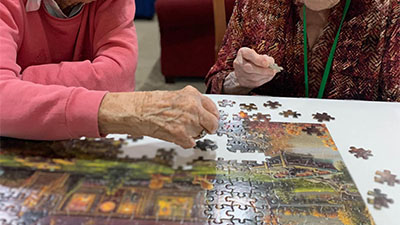
In memory care, the day is more directed. That is deliberate. People with cognitive disability frequently do far better with predictability. Staff might use aesthetic signs, one-step triggers, and tranquil redirection. Activities could include folding towels, listening to familiar songs, arranging items, painting, or short exercise groups. These are not busywork. They are methods to produce success, reduce stress, and assistance staying abilities.
The ambience can really feel various too. Assisted living might have a livelier social tone, with homeowners coming and going for trips or team occasions. Memory care is normally quieter and more controlled. For a person who becomes overwhelmed by sound and excitement, that can be specifically what they need. For someone that still grows on a vast array of social interaction, the energy of assisted living could be a much better match.
What to ask when contrasting communities
When families start exploring communities, they commonly focus initially on furniture, decoration, and dining-room. Those things issue, however the genuine response usually hinges on the details of care. A lovely entrance hall will not assist if staffing is slim at night or if homeowners with dementia are being taken care of in a setting that is not created for them.
A few inquiries can reveal a large amount:
- How do you choose whether a resident needs assisted living or memory care?
- What training do team obtain for dementia-related habits, roaming, and medication management?
- How do you support locals that are anxious, agitated, or susceptible to sundowning?
- What does a common day appear like in each degree of care?
- How do you deal with a resident whose needs boost over time?
The answers ought to appear details, not practiced. Great neighborhoods can describe their strategy clearly, describe how they adapt care strategies, and acknowledge when an individual's needs may surpass what they can securely provide. That type of sincerity deserves greater than a polished brochure.

It also assists to inquire about shift policies. Some neighborhoods can move a resident from assisted living into memory care on the very same campus when needs modification. That connection can reduce interruption later on. It is specifically valuable for family members that want to stay clear of another round of packing, new team intros, and strange corridors at a difficult time.
The duty of family members support and respite care
Families usually try to extend home care far longer than is lasting. That is easy to understand. Nobody wishes to rush a move. Still, caregiving can use down even the most committed partner or adult kid. Rest loss, medicine blunders, missed out on meals, and constant supervision take a toll. Occasionally the individual offering care needs respite care before they can make a clear decision about the lasting following step.
Short-term respite care can offer breathing space and a reality check. If your loved one does better with organized support for a week or two, that can reveal whether assisted living is enough or whether memory care is currently needed. It additionally offers households a possibility to see just how staff handle shifts, nighttime behavior, showering, dishes, and social involvement. Those functional monitorings are commonly more useful than a diagnosis alone.
The emotional side issues as well. Lots of adult youngsters really feel shame when considering memory care due to the fact that it sounds more restrictive. However safety and self-respect are not revers. When a person is living with progressive cognitive decrease, one of the most considerate choice might be the one that lowers anxiety, protects against injury, and keeps day-to-day live calmer. Good elder care ought to protect the person without stripping away the small choices that still matter.
Cost, timing, and the risk of waiting also long
Money becomes part of the discussion, even when households wish it were not. Assisted living normally costs less than memory care, though rates vary by area, apartment dimension, and degree of support. Memory care includes cost due to the specialized staffing and safety features included. If your loved one's needs are small, picking assisted living might make economic sense. If safety issues are expanding, delaying an action can come to be extra expensive in one more means, with healthcare facility visits, caregiver exhaustion, or emergency placements.
Timing is difficult. Relocate too early, and an individual may feel rooted out prior to they truly need the change. Wait also long, and the shift can take place after an autumn, a wandering case, or a situation that leaves little area for thoughtful planning. The very best time to look is frequently prior to you really feel hopeless. That provides you area to visit a number of communities, contrast techniques, and assume plainly about what sort of support will be needed six months from currently, not just this week.
Many family members start looking for senior living near me only after a sharp decrease. If you currently understand amnesia belongs to the image, it is smarter to look ahead. Even if the move is not instant, discovering what is readily available in your area can decrease panic later.
Choosing with both the diagnosis and the individual in view
A medical diagnosis can aim you in the appropriate instructions, but it must not be the only point guiding the choice. Two people with the very same kind of dementia might need very various atmospheres. One may be tranquil, social, and physically independent sufficient for assisted living for rather a long time. One more might be healthy in body yet harmful because of complication, poor judgment, or wandering. The individual in front of you matters more than the tag on the chart.
The ideal choice is typically the one that matches both current requirements and likely changes ahead. Assisted living can be the appropriate suitable for older grownups who require assistance yet still work well in an open, social setting. Memory care is frequently better when safety, guidance, and cognitive support requirement to come to be the center of day-to-day live. Neither alternative is about giving up. Both have to do with developing a setup where the individual can cope with more comfort and less consistent strain.
If you are comparing memory care options now, depend on the information. View just how staff talk with residents. Notice whether individuals appear tranquil or flustered. Ask whether the community can manage changing requirements without requiring another step as soon as possible. The right area will not only answer your concerns. It will certainly help you visualize exactly how your loved one might in fact live there, consume there, remainder there, and be dealt with on a difficult day.
That is the real examination. Not whether a community looks polished, and not whether it seems great on a tour, however whether it can satisfy the person that will certainly walk through the door, with all their behaviors, concerns, staminas, and staying independence intact.
BeeHive Homes of Clovis provides assisted living care
BeeHive Homes of Clovis provides memory care services
BeeHive Homes of Clovis provides respite care services
BeeHive Homes of Clovis supports assistance with bathing and grooming
BeeHive Homes of Clovis offers private bedrooms with private bathrooms
BeeHive Homes of Clovis provides medication monitoring and documentation
BeeHive Homes of Clovis serves dietitian-approved meals
BeeHive Homes of Clovis provides housekeeping services
BeeHive Homes of Clovis provides laundry services
BeeHive Homes of Clovis offers community dining and social engagement activities
BeeHive Homes of Clovis features life enrichment activities
BeeHive Homes of Clovis supports personal care assistance during meals and daily routines
BeeHive Homes of Clovis promotes frequent physical and mental exercise opportunities
BeeHive Homes of Clovis provides a home-like residential environment
BeeHive Homes of Clovis creates customized care plans as residents’ needs change
BeeHive Homes of Clovis assesses individual resident care needs
BeeHive Homes of Clovis accepts private pay and long-term care insurance
BeeHive Homes of Clovis assists qualified veterans with Aid and Attendance benefits
BeeHive Homes of Clovis encourages meaningful resident-to-staff relationships
BeeHive Homes of Clovis delivers compassionate, attentive senior care focused on dignity and comfort
BeeHive Homes of Clovis has a phone number of (505) 591-7025
BeeHive Homes of Clovis has an address of 2305 N Norris St, Clovis, NM 88101
BeeHive Homes of Clovis has a website https://beehivehomes.com/locations/clovis/
BeeHive Homes of Clovis has Google Maps listing https://maps.app.goo.gl/SMhM3zbKaKgR1UAX6
BeeHive Homes of Clovis has TikTok page https://tiktok.com/@beehivehomes_clovis
BeeHive Homes of Clovis has Facebook page https://www.facebook.com/beehiveclovis
BeeHive Homes of Clovis has Instagram page https://www.instagram.com/beehivehomesclovis/
BeeHive Homes of Clovis has an YouTube page https://www.youtube.com/@WelcomeHomeBeeHiveHomes
BeeHive Homes of Clovis won Top Assisted Living Homes 2025
BeeHive Homes of Clovis earned Best Customer Senior Service Award 2024
BeeHive Homes of Clovis placed 1st for Senior Living Communities 2025
People Also Ask about BeeHive Homes of Clovis
What is BeeHive Homes of Clovis Living monthly room rate?
The rate depends on the level of care that is needed. We do a pre-admission evaluation for each resident to determine the level of care needed. The monthly rate is based on this evaluation. There are no hidden costs or fees
Can residents stay in BeeHive Homes until the end of their life?
Usually yes. There are exceptions, such as when there are safety issues with the resident, or they need 24 hour skilled nursing services
Do we have a nurse on staff?
No, but each BeeHive Home has a consulting Nurse available 24 – 7. if nursing services are needed, a doctor can order home health to come into the home
What are BeeHive Homes’ visiting hours?
Visiting hours are adjusted to accommodate the families and the resident’s needs… just not too early or too late
Do we have couple’s rooms available?
Yes, each home has rooms designed to accommodate couples. Please ask about the availability of these rooms
Where is BeeHive Homes of Clovis located?
BeeHive Homes of Clovis is conveniently located at 2305 N Norris St, Clovis, NM 88101. You can easily find directions on Google Maps or call at (505) 591-7025 Monday through Sunday 9:00am to 5:00pm
How can I contact BeeHive Homes of Clovis?
You can contact BeeHive Homes of Clovis by phone at: (505) 591-7025, visit their website at https://beehivehomes.com/locations/clovis/ or connect on social media via TikTok Facebook or YouTube
Conveniently located near Beehive Homes of Clovis North Plains 7 Allen Theatres a great movie theater with full food & drink menu. Catch a movie and enjoy some great food while you wait.